Singapore Hospital Doctor Recruitment Process: A Complete Guide for International Doctors
The Singapore Hospital Doctor Recruitment Process involves more than submitting a CV to a hospital. International doctors generally need to secure suitable employment, meet Singapore Medical Council (SMC) registration requirements and, if practising as specialists, obtain the required specialist accreditation. Singapore's official guidance confirms that overseas-trained doctors can work through different registration routes depending on their qualifications and circumstances.
For doctors comparing international career options, understanding Medical Job Opportunities Without Residency can also help when evaluating countries and alternative medical career routes.
This guide explains how international doctors can approach hospital recruitment in Singapore, what documents they should prepare, how registration works and what to expect during the process.
Why Singapore Is Considered by International Doctors
Singapore has a highly developed healthcare system with public hospitals, private healthcare institutions, specialist centres and community healthcare facilities.
The Ministry of Health has stated that Singapore supplements its locally trained medical workforce with doctors trained overseas.
For qualified international doctors, Singapore may offer opportunities to:
Work in established hospital systems
Gain experience in a multicultural healthcare environment
Develop specialist careers
Work with multidisciplinary clinical teams
Explore public or private healthcare positions
Build regional career experience in Asia
However, opportunities depend heavily on registration eligibility, specialty, qualifications, experience and employer requirements.
Who Can Apply for Hospital Doctor Jobs in Singapore?
International Medical Graduates (IMGs) may be considered for positions if they satisfy the relevant requirements.
Potential candidates include:
General medical practitioners
Medical officers
Experienced hospital doctors
International specialist doctors
Consultants with recognized specialist qualifications
Doctors with postgraduate medical training
One of the most important factors is whether the applicant's basic medical qualification is registrable in Singapore.
The SMC maintains a list of recognized overseas medical qualifications under the Medical Registration Act. The list was expanded in February 2026 to include eight additional overseas medical schools, including one Indian institution.
Singapore Hospital Doctor Recruitment Process
The recruitment and registration process can be viewed as several connected stages.
Step 1: Assess Your Eligibility
Before applying for jobs, review:
Medical school and primary qualification
Internship or housemanship
Postgraduate qualifications
Current medical registration
Clinical experience
Specialist training
Professional standing
Specialty
This initial assessment can prevent you from applying for positions that you cannot legally take up.
Step 2: Identify Suitable Hospital Positions
Once your profile is understood, search for positions that match your experience.
Depending on your background, potential roles may include:
Medical Officer
Registrar
Associate Consultant
Consultant
Specialist
Hospital-based physician
Specialist medical officer
The exact title and seniority offered will depend on your qualifications, experience, registration status and employer assessment.
Step 3: Submit Your Application
A typical application may require:
Updated medical CV
Medical degree
Specialist qualification
Internship certificate
Employment certificates
Medical registration details
Certificate of Good Standing
Professional references
Passport
Academic transcripts
Clinical experience records
For specialist applicants, evidence of postgraduate specialist training is particularly important.
Step 4: Hospital Interview and Clinical Assessment
Recruitment is not simply a document-based process.
Hospitals may assess a candidate's:
Clinical knowledge
Patient management skills
Communication
Professional conduct
Specialty experience
Suitability for the position
Singapore's Ministry of Health has previously stated that foreign-trained doctors may undergo interviews and credential checks, while SMC conducts source verification of medical qualifications.
The employer's assessment and regulatory registration are separate but connected parts of the overall process.
Step 5: Obtain Singapore Medical Council Registration
A doctor must be registered with the Singapore Medical Council before practising medicine.
Singapore has several types of medical registration, including:
Provisional Registration
Conditional Registration
Temporary Registration
Full Registration
For many overseas-trained doctors who have completed their housemanship, conditional registration is an important route into supervised clinical practice.
The exact registration route depends on the doctor's qualifications, training, experience, and circumstances.
Step 6: Specialist Accreditation for International Specialists
If you want to practise as a specialist, medical registration alone is not enough.
The Specialists Accreditation Board (SAB) evaluates specialist qualifications and experience.
Its criteria include recognised postgraduate specialist training and qualifications, as well as documentary evidence of specialist training and specialist registration in the country of origin and relevant training country.
For first-time foreign-trained applicants, SAB states that the doctor must have or have applied for conditional medical registration with SMC before applying for specialist accreditation, subject to the applicable rules.
Step 7: Specialist Registration
After obtaining specialist accreditation from SAB, the doctor must be registered in the Register of Specialists with SMC before practising as a specialist.
This creates an important distinction:
Medical registration → Specialist accreditation → Specialist registration
The official SAB guidance confirms that doctors must first obtain specialist accreditation and then register with SMC as specialists before practising in that specialty.
Requirements for International Specialist Doctors
Specialist applicants should prepare strong evidence of their professional background.
Medical Qualification
Your basic medical qualification must meet Singapore's registration requirements.
Specialist Qualification
Your postgraduate qualification must be recognized or assessed as appropriate for specialist accreditation.
Specialist Training
You should provide evidence showing:
Training institution
Duration of training
Rotations
Curriculum
Assessments
Exit examinations
Specialist registration
SAB evaluates overseas specialist training on a case-by-case basis where applicable.
Clinical Experience
Detailed employment records can help demonstrate your actual scope of practice.
Include:
Job titles
Dates of employment
Departments
Clinical responsibilities
Procedures performed
Leadership responsibilities
Continuing professional development
Documents to Prepare Before Recruitment
Creating a complete document file before applying can save considerable time.
Prepare:
Passport
Medical degree
Academic transcripts
Internship/housemanship certificate
Postgraduate qualification
Specialist training records
Medical registration certificates
Certificate of Good Standing
Employment certificates
Professional references
Updated CV
Experience letters
CPD records
Make sure names, dates, job titles and qualifications are consistent across all documents.
How Long Does the Process Take?
There is no single timeline for every international doctor.
Processing can depend on:
Qualification verification
Employer recruitment
Interview scheduling
SMC registration
Specialist accreditation
Document completeness
Additional assessments
Individual case complexity
Therefore, applicants should avoid planning relocation around an assumed fixed timeline.
Common Reasons Applications Face Delays
Several practical issues can create delays.
Incomplete Documentation
Missing training records or employment evidence can lead to additional requests.
Qualification Recognition
Not every overseas medical qualification is automatically registrable.
Unclear Employment History
Gaps or inconsistencies in the CV may require clarification.
Specialist Training Differences
Overseas specialist training may not correspond exactly to Singapore's requirements.
Registration Issues
An employment offer does not replace the requirement for appropriate medical registration.
What About Indian Doctors?
Indian doctors should pay particular attention to medical school recognition.
Singapore regularly reviews its list of recognized overseas medical schools. In January 2026, the Ministry of Health announced eight additional overseas medical schools, including Kasturba Medical College, Manipal, India, with recognition effective from 1 February 2026, subject to prevailing SMC requirements.
This does not mean that every Indian medical graduate automatically qualifies to practise.
Registration requirements still apply and factors such as internship, experience, professional standing and the applicable registration category must be considered.
Singapore vs. Australia for International Doctors
International doctors sometimes compare Singapore with Australia when planning an overseas career.
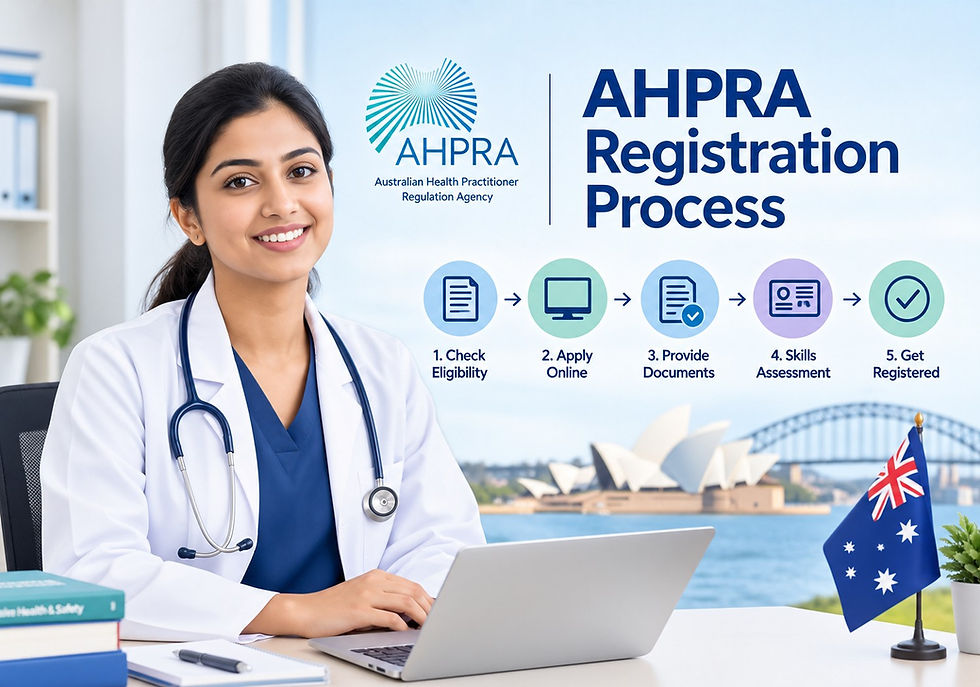
Australia has dedicated IMG pathways, including specialist registration routes, while Singapore uses SMC registration and SAB specialist accreditation.
For specialists, the right choice depends on:
Medical qualification
Specialist qualification
Years of experience
Specialty
Registration eligibility
Desired location
Career goals
Family and relocation plans
A doctor should compare the actual eligibility requirements rather than choosing a country based only on salary or job availability.
Practical Tips for a Successful Application
Build a Specialist CV
Your CV should clearly show your specialty, postgraduate training, clinical responsibilities, procedures, publications, teaching and leadership experience.
Prepare Documents Early
Do not wait until you receive a job offer to start collecting certificates and verification documents.
Match Jobs to Your Experience
Applying for positions significantly above or below your professional level can make the recruitment process more difficult.
Understand Registration Before Relocating
Never assume that an employment offer automatically permits you to practice.
Check Current Requirements
Singapore regularly reviews overseas medical qualifications and registration requirements. The current requirements should always be checked before an application is submitted.
Official Source for Singapore Medical Registration
The Singapore Ministry of Health's Health Professionals Portal provides official information about practicing as a doctor or specialist in Singapore, including SMC registration and SAB accreditation.
For specialist doctors, the Specialists Accreditation Board also publishes current criteria and application requirements.
Because medical registration requirements can change, applicants should use the latest official requirements when preparing their application.
Conclusion
The Singapore Hospital Doctor Recruitment Process involves two important areas: employment and professional registration. International doctors need to find an appropriate position while also meeting SMC requirements. Specialists must additionally consider SAB accreditation and specialist registration.
For international specialist doctors, preparation is particularly important. A strong CV, complete documentation, recognized qualifications, relevant clinical experience and a clear understanding of registration requirements can make the process easier to manage.
Singapore can be an attractive option for doctors seeking international hospital experience, but eligibility should always be assessed individually rather than assumed from nationality or postgraduate qualification alone.
MediBridge Education Consultants helps healthcare professionals understand international medical registration, overseas hospital recruitment, documentation requirements and medical career pathways so they can make informed decisions about their international careers.
Frequently Asked Questions
1. What is the Singapore Hospital Doctor Recruitment Process for international doctors?
The process generally involves assessing eligibility, identifying suitable hospital positions, submitting an application, attending interviews or assessments, securing employment, obtaining Singapore Medical Council registration and completing specialist accreditation if required. The exact steps vary according to the doctor's qualifications, experience, specialty and registration category.
2. Can International Specialist Doctors work in Singapore hospitals?
Yes, eligible international specialists can work in Singapore hospitals after meeting the applicable employment, medical registration and specialist accreditation requirements. Specialist accreditation is handled by the Specialists Accreditation Board, while specialist registration is completed through the Singapore Medical Council before specialist practice.
3. What are the Singapore Medical Council registration requirements for foreign doctors?
Requirements depend on the applicant's medical qualification, training, experience and registration category. Overseas doctors may need recognized basic medical qualifications, supporting documents, professional standing and other requirements. SMC determines the appropriate registration route based on the individual applicant's circumstances.
4. Can Indian doctors apply for hospital jobs in Singapore?
Yes, Indian doctors can apply if their qualifications and professional background meet Singapore's requirements. However, medical school recognition is important because SMC maintains a list of registrable overseas medical qualifications. Additional registration, experience, documentation and professional requirements also apply.
5. Do international specialist doctors need SAB accreditation in Singapore?
Doctors who want to practise as specialists generally need specialist accreditation from the Specialists Accreditation Board before specialist registration with SMC. SAB assesses specialist qualifications, training and experience against Singapore's requirements, with overseas specialist training evaluated according to the applicable criteria.
6. What documents are needed for Singapore hospital doctor recruitment?
Common documents include a medical degree, academic transcripts, internship certificate, specialist qualification, specialist training records, medical registration certificates and Certificate of Good Standing, employment letters, professional references, passport, CV and CPD evidence. Additional documents may be requested during recruitment or registration.
7. Can doctors apply for Singapore hospital jobs before medical registration?
Doctors may secure employment subject to the healthcare institution's recruitment process, but they must obtain the appropriate Singapore Medical Council registration before practicing. Singapore's official guidance specifically describes securing a job and then completing the relevant medical registration steps before clinical practice.




Comments